Roger Turner
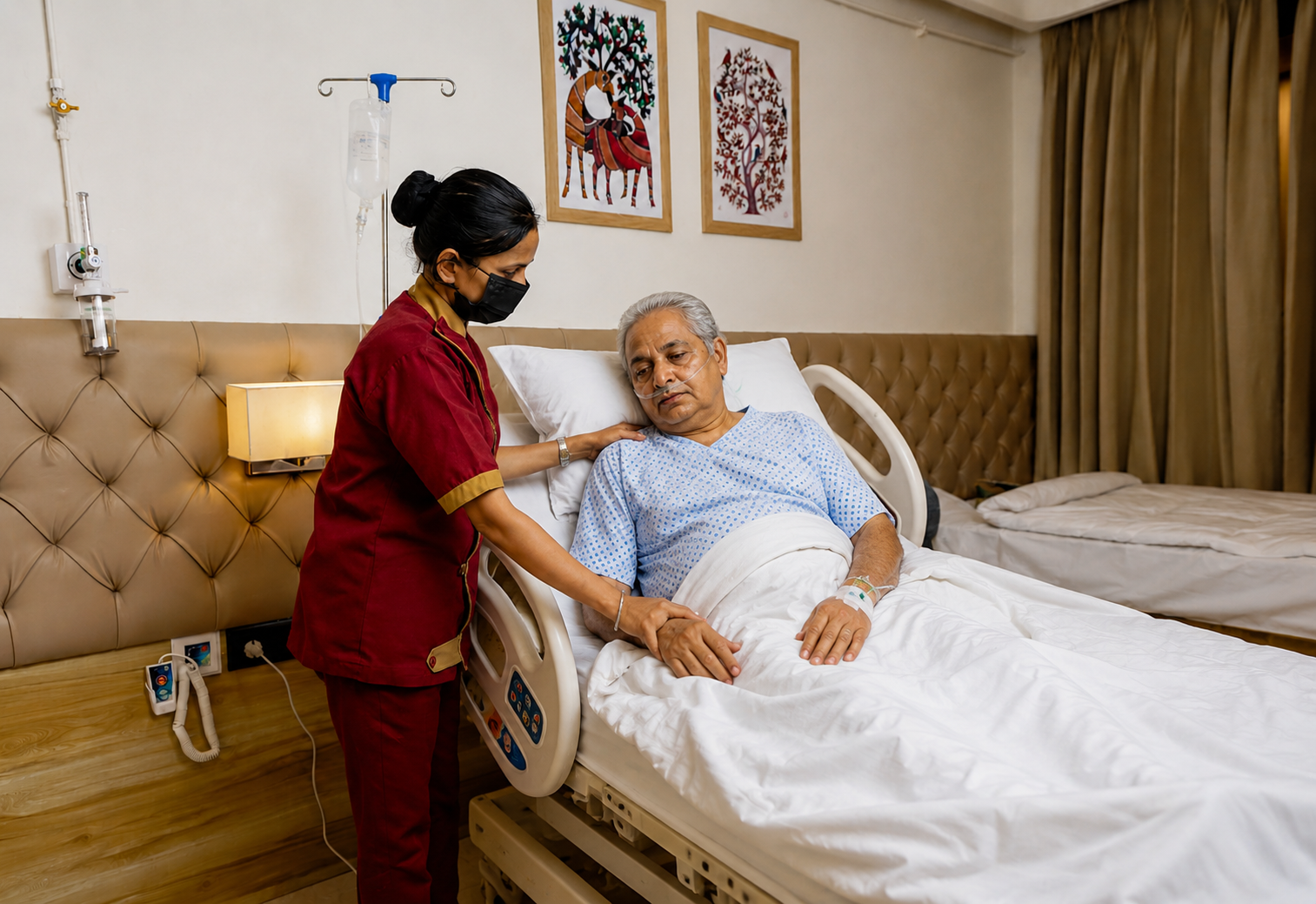
A stroke does not only affect movement. Many stroke survivors suddenly struggle to speak clearly, understand conversations, or express simple needs despite being mentally aware. These speech problems after stroke can deeply affect confidence, relationships, and emotional wellbeing. In India, communication disorders remain one of the most overlooked aspects of stroke recovery, with many families focusing only on physical rehabilitation. However, recovery is not complete without restoring communication abilities. The good news is that with timely intervention, structured speech rehabilitation after stroke, and consistent speech therapy for stroke patients, many individuals can regain meaningful communication skills and improve their quality of life over time.
Why Speech Problems Happen After Stroke
A stroke occurs when blood flow to the brain gets interrupted either due to a clot or bleeding inside the brain. When areas responsible for language, speech, memory, comprehension, or muscle coordination are affected, communication difficulties may develop.
The brain controls speech through multiple connected regions. Some parts help us understand language, while others help coordinate the muscles used for speaking. A stroke can damage one or several of these functions together.
This is why speech problems after stroke can vary widely from person to person.
Some patients understand everything but cannot speak clearly. Others can speak fluently but cannot make meaningful sentences. Some may slur words because of muscle weakness, while others struggle to process language itself.
The severity usually depends on:
- Which part of the brain was affected
- Size of the stroke
- Delay in medical treatment
- Existing neurological conditions
- Age and overall health condition
- Quality of rehabilitation received after discharge
In India, delayed rehabilitation remains a major challenge. Many families assume that speech recovery will happen automatically with time. Unfortunately, without structured intervention, patients may lose valuable recovery opportunities during the early rehabilitation phase.
Common Types of Speech Problems After Stroke
One of the most common conditions seen after stroke is aphasia. Aphasia affects a person’s ability to speak, understand, read, or write.
A patient with aphasia may:
- Forget familiar words
- Speak incomplete sentences
- Use incorrect words
- Struggle to understand conversations
- Find it difficult to read or respond
For families, aphasia can feel emotionally devastating because the patient may appear mentally present but unable to communicate thoughts properly.
Another common condition is dysarthria, where the muscles involved in speaking become weak or poorly coordinated. Speech may sound slurred, slow, soft, or unclear. Patients often know what they want to say, but their facial and speech muscles cannot support proper pronunciation.
Some stroke survivors also develop apraxia of speech. In this condition, the brain struggles to coordinate speech movements properly. Words may come out differently each time, and speaking may require visible effort.
In many cases, speech difficulties are also accompanied by swallowing issues, memory problems, poor concentration, and emotional instability. This makes recovery more complex and highlights the importance of multidisciplinary neurological rehabilitation instead of isolated therapy sessions.
The Emotional Impact Families Often Underestimate
Speech loss changes family dynamics completely.
Patients who cannot communicate properly often begin withdrawing socially. Many avoid conversations because they feel embarrassed or frustrated. Some become irritable because they cannot express pain, emotions, or needs clearly.
Families also experience emotional exhaustion.
Simple daily situations become stressful:
- Understanding whether the patient is uncomfortable
- Managing medical instructions
- Handling emotional outbursts
- Interpreting unclear speech
- Supporting social interaction
- Preventing isolation
In India, caregiving responsibilities usually fall on spouses or adult children. Over time, this emotional pressure can lead to caregiver burnout, especially when recovery becomes prolonged.
This is one reason why structured speech rehabilitation after stroke is increasingly becoming part of integrated neurological recovery programs instead of stand-alone therapy support.
Can Speech Recover After Stroke?
Yes, many patients improve significantly with the right rehabilitation support.
The human brain has an extraordinary ability called neuroplasticity. Healthy areas of the brain can gradually adapt and take over some lost functions after injury.
However, recovery depends heavily on consistency and timing.
Neurologists and rehabilitation specialists often consider the first few months after stroke as the most important recovery period. During this phase, the brain responds more actively to rehabilitation exercises and therapy.
Patients who receive structured speech therapy post stroke during this critical phase often show better communication recovery compared to those who delay treatment.
That said, recovery timelines vary greatly. Some individuals improve within weeks, while others may need many months of therapy and supervised rehabilitation.
Why Early Speech Therapy Matters
Speech therapy for stroke patients is not only about speaking clearly. It helps restore confidence, independence, and emotional wellbeing.
A speech-language therapist evaluates multiple aspects including:
- Language understanding
- Speech clarity
- Cognitive communication
- Memory
- Swallowing ability
- Facial muscle coordination
Based on the assessment, personalised therapy sessions are planned.
Therapy may involve:
- Word repetition exercises
- Language-building activities
- Facial muscle exercises
- Swallowing therapy
- Reading practice
- Cognitive stimulation
- Communication techniques for families
The biggest mistake families make is assuming that occasional therapy sessions are enough.
Stroke rehabilitation with all facilities works best when therapy becomes part of a structured daily recovery routine.
Why Home-Based Recovery Often Becomes Difficult
Many Indian families initially prefer recovering at home after hospital discharge. Emotionally, this feels comforting. However, neurological rehabilitation at home can become extremely challenging after a few weeks.
Speech therapy requires consistency, repetition, monitoring, and professional guidance. Families often struggle to maintain structured rehabilitation because of:
- Work responsibilities
- Physical caregiving demands
- Emotional fatigue
- Lack of medical supervision
- Irregular therapy schedules
- Difficulty handling complications
Patients recovering from stroke may also face:
- Paralysis or weakness
- Fall risk
- Bed dependency
- Swallowing issues
- Emotional disturbances
- Recurrent hospitalisation risk
This is why many neurologists now recommend medically supervised rehabilitation environments for moderate to severe stroke recovery, especially during the initial months after discharge.
The Growing Importance of Structured Stroke Rehabilitation
India is witnessing a steady rise in specialised post-hospitalisation recovery services, especially in metro cities where nuclear families often struggle with long-term caregiving.
Structured rehabilitation environments offer coordinated recovery support under one system instead of fragmented care through multiple providers.
A comprehensive stroke rehabilitation setup usually includes:
- Neurological monitoring
- Speech rehabilitation after stroke
- Physiotherapy
- Occupational therapy
- Swallowing management
- Nutrition support
- Daily nursing supervision
- Emotional and psychological support
This integrated approach improves continuity of care and reduces rehabilitation gaps.
Families are also increasingly recognising the value of established care providers with clinical protocols, rehabilitation infrastructure, emergency support systems, and multidisciplinary teams rather than depending entirely on small unstructured rehab centres.
Established senior care providers such as Antara Care Homes have expanded their focus on medically supervised stroke and neurological rehabilitation through structured recovery programs that combine speech therapy, physiotherapy, nursing support, and long-term recovery planning within professionally managed care environments. For families navigating post-stroke recovery, this kind of integrated support often reduces caregiver burden while improving rehabilitation continuity.
Recovery Is About More Than Speech
Many people assume speech recovery only means talking again. In reality, communication recovery affects almost every aspect of life.
Improved speech helps patients:
- Express emotions
- Ask for help
- Participate socially
- Follow medical instructions
- Rebuild confidence
- Reduce emotional isolation
- Improve independence
Communication also directly affects mental health. Patients who regain some ability to communicate often show better emotional recovery and greater motivation during rehabilitation.
This is why speech rehabilitation after stroke should never be treated as secondary recovery support.
Role of Family During Speech Recovery
Families remain central to stroke recovery.
Even the best rehabilitation programs work better when family members actively participate in communication support.
Small changes can help significantly:
- Speak slowly and calmly
- Give the patient enough response time
- Avoid interrupting sentences
- Encourage communication attempts
- Reduce background distractions
- Use simple language
- Celebrate small improvements
Most importantly, families must understand that recovery is rarely linear. Some days may show visible improvement, while others may feel stagnant.
Patience and consistency are critical.
Final Thoughts
Speech problems after stroke affect confidence, relationships, and independence. Early speech rehabilitation after stroke can significantly improve recovery outcomes. With structured speech therapy post stroke, multidisciplinary care, and emotional support, many stroke survivors can regain meaningful communication abilities and reconnect with daily life, family interactions, and social confidence