Larry Torres
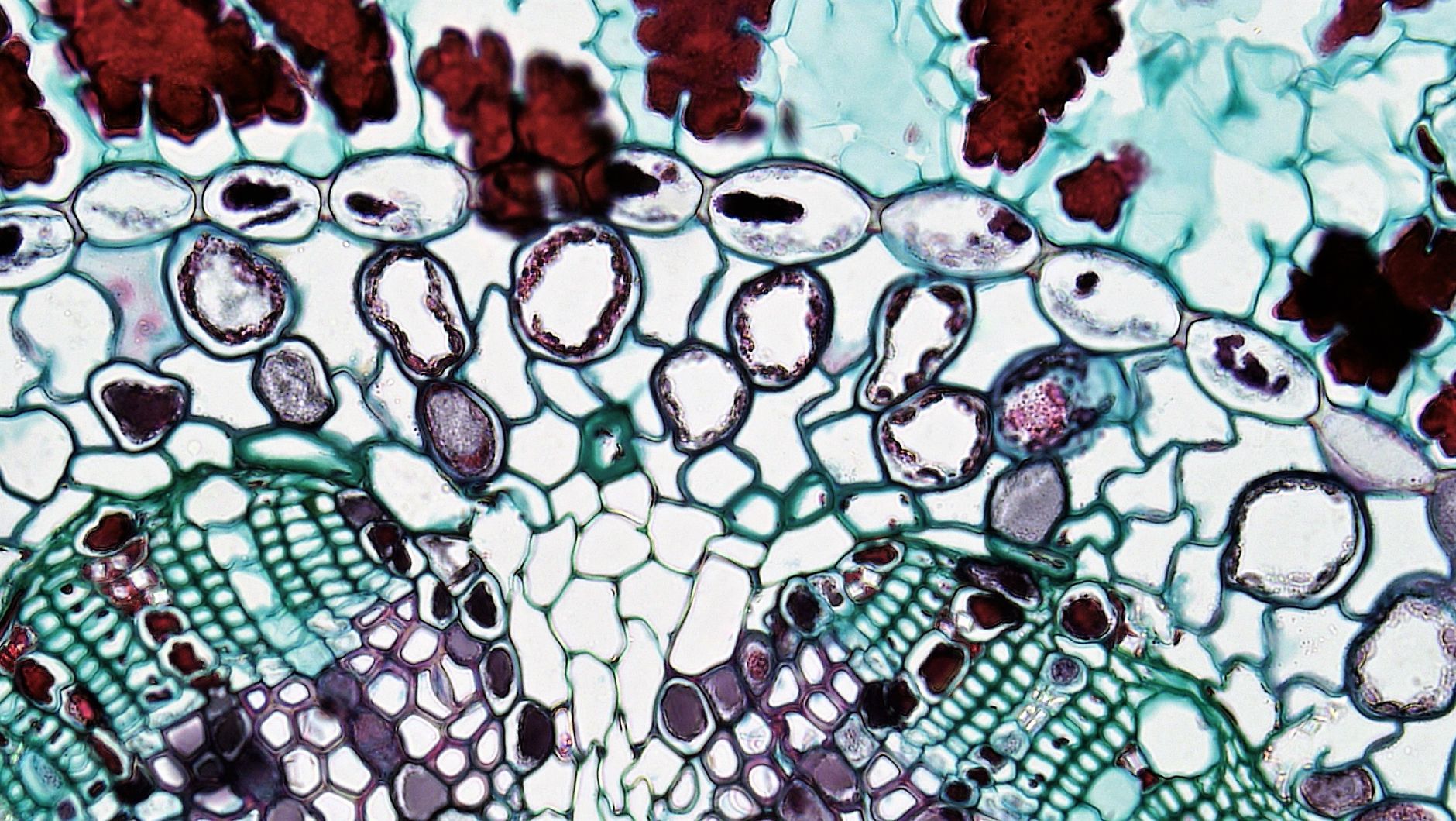
Regenerative medicine is an evolving area of healthcare focused on understanding how the body may repair, restore, or regenerate damaged tissues. Researchers continue to investigate biological processes, cellular therapies, tissue-based approaches, and other emerging strategies. The perspective associated with Dr. Kenneth Pettine reflects the broader interest in exploring regenerative possibilities while maintaining attention to scientific evidence, patient safety, and responsible medical development.
In This Article
- The Science Behind Regeneration
- Exploring Cellular Approaches
- Regenerative Medicine and Tissue Repair
- The Importance of Evidence
- Looking Toward Future Developments
The Science Behind Regeneration
The human body has natural repair mechanisms that allow certain tissues to recover after injury. Regenerative medicine seeks to understand these processes and determine whether they can be supported or enhanced through carefully developed interventions.
Researchers study how cells communicate, how tissues respond to injury, and how biological environments influence healing. These investigations can provide insight into why some tissues regenerate more effectively than others and what factors may affect potential therapeutic approaches.
Exploring Cellular Approaches
Cell-based research is one of the most discussed areas within regenerative medicine. Scientists are investigating different types of cells and their potential roles in tissue repair and biological signaling. These studies are intended to better understand whether cellular approaches may eventually contribute to treatments for specific conditions.
The work and perspective associated with Dr. Kenneth Pettine can be considered within this broader exploration of regenerative medicine. However, potential therapies require careful evaluation because biological responses can vary considerably. Research must examine safety, effectiveness, consistency, and appropriate applications before conclusions can be established.
Regenerative Medicine and Tissue Repair
Another important area of research involves understanding how damaged tissues respond to biological interventions. Researchers are examining whether regenerative approaches may influence healing processes or support tissue function.
Different tissues present different challenges. Structures such as spinal discs, joints, muscles, and other tissues have unique biological characteristics. Consequently, an approach that appears promising in one area may not necessarily produce the same results elsewhere. Careful research is necessary to understand these differences.
The Importance of Evidence
Regenerative medicine requires a strong connection between innovation and scientific evidence. New concepts may generate significant interest, but promising laboratory findings do not automatically establish clinical effectiveness.
Appropriate research can help determine whether an intervention provides meaningful benefits and whether potential risks are acceptable. Long-term observation is also important because some biological effects may take time to become fully understood.
Looking Toward Future Developments
The future of regenerative medicine may involve greater understanding of cellular behavior, improved tissue engineering techniques, more precise biological interventions, and better methods for identifying appropriate applications. Continued research could help clarify which approaches have genuine therapeutic potential.
Progress should remain guided by evidence, responsible experimentation, and careful patient evaluation. The principles associated with Dr. Kenneth Pettine highlight the broader importance of exploring regenerative medicine while maintaining scientific discipline and realistic expectations. As research continues, developments in cellular science and tissue regeneration may contribute to new perspectives on healthcare and expand understanding of how the body’s natural repair processes can be supported.
Key Points
- Regenerative medicine focuses on the body’s ability to repair, restore, or regenerate damaged tissues.
- Research in regenerative medicine encompasses biological processes, cellular therapies, and tissue-based approaches.
- Understanding how cells communicate and how biological environments influence healing is critical for advancing regenerative therapies.
- Different types of tissues, such as spinal discs and joints, present unique challenges that require tailored approaches in regenerative medicine.
- Evidence-based research is essential to establish the safety and effectiveness of new regenerative therapies before clinical applications.
- Future developments in regenerative medicine may lead to improved techniques and interventions guided by scientific evidence and patient safety.